My Ringana Review: What I Use, What I Like and What I Don't

I'm an independent Ringana Partner. Maemuki Mom is my own site, not Ringana's, and nothing here is written or approved by the company. If you order through me, I earn a commission.
Short version: I like Ringana, I keep reordering the same products, and I'd recommend starting with the skincare routine. It's also expensive, it needs more care than conventional skincare, and it isn't for everyone.
Now the longer version, with the caveat you'd expect. I sell these products, so I have an interest in you liking them. I was a customer first, though, and this is a review of the products, not the business. If you want the Partner side, that's a separate page and a separate subject.
How I came to it
I found Ringana after my son was born. I was dealing with some digestive and skin problems at the time, and I'd started looking much more closely at everything in our house: what we cleaned with, what touched his skin, what was in the bottles in the bathroom.
Premium, all-natural cosmetics were an easy idea to like in that frame of mind. What kept me was more practical than the idea. I liked using the products, and I kept reordering them.
I want to be precise about one thing. My skin and digestion are the reason I started looking. Nothing here is a claim that a cosmetic or a supplement changed either of them, and I'd be wary of anyone who tells you their skincare fixed a health problem.
What I use
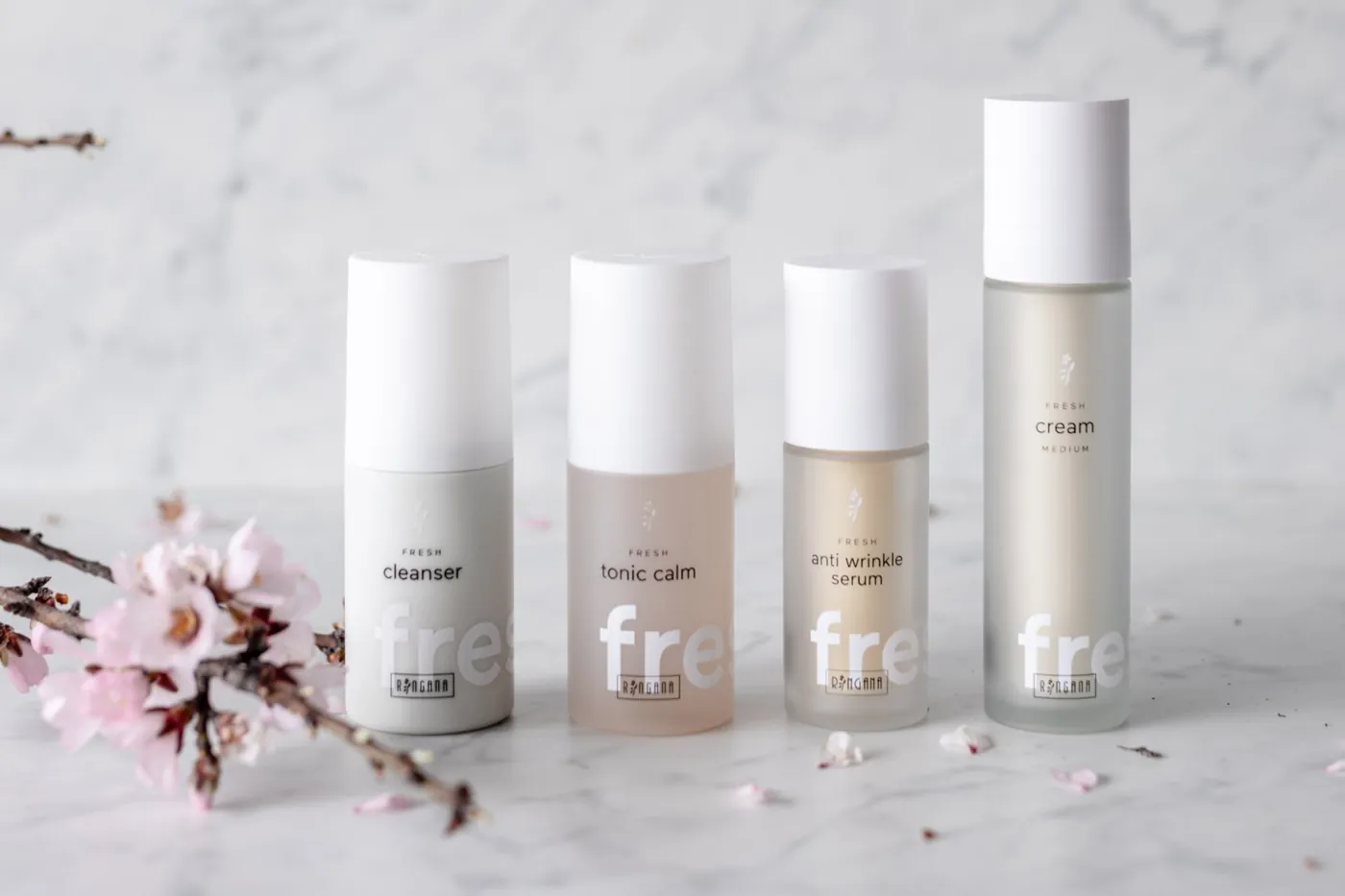
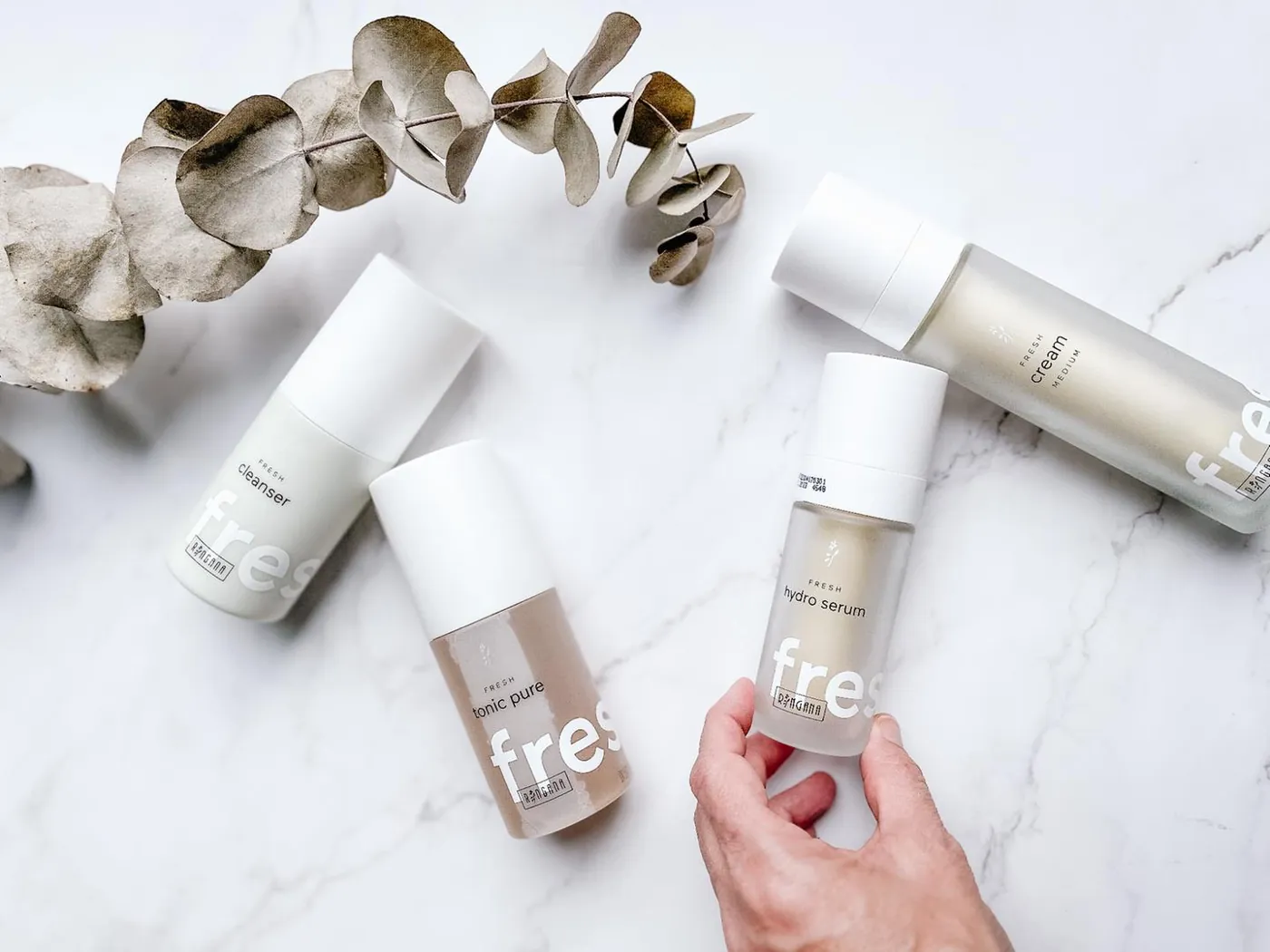
- The skincare routine. Cleanser, tonic, serum and moisturizer, plus the overnight product in the evening. This is the part I'd repurchase without a second thought.
- The baby products. Some of the first things I wanted to get right beyond my own skincare.
- From the supplement side: the protein, FEM and MOODOO.
I've written up the routine step by step, and where I'd suggest a beginner starts, in where I'd start.
What I like
The labels match the story. This is the thing I check with any brand, and it's what convinced me. The company says its products are fresh, made in small batches, and made without traditional preservatives. When I read the ingredient lists, that's what I find: no ingredients from the EU's approved preservative list, preserving handled by other ingredients and short shelf lives, and scent from plant oils rather than a fragrance blend. I've gone through the actual labels in detail.
The fresh approach makes sense to me. The expiry date can look like a flaw. I see it the other way round: the product goes off because it's genuinely fresh, and because it isn't carrying preservatives your skin doesn't particularly need. If you want the evidence behind that, including the trade-offs, it's in what preservative-free and fresh actually mean.
What I saw at the factory. I visited in January, partly to check whether any of it held up. The small batches are real, the production area is kept under pressure to keep contaminated air out, and people work in pairs on a safety protocol. And the factory closes at ten on Friday night and stays shut all weekend, because the people who work there have weekends. That told me more about the company than anything on the packaging.
It's simple. Four steps that work together is easier to live with than a shelf of unrelated products.
What I don't like
A review with nothing in this section isn't a review.
The price. It isn't outrageous for the part of the skincare aisle it competes in, but it's a considered purchase, not an impulse one.
Reordering. Fresh products don't keep, so you can't stock up. Running out on a Tuesday morning is a small, real irritation.
The care it needs. A minimally preserved product is less forgiving of heat, light and fingers. If you're the kind of person who leaves half-used jars around for a year, this will frustrate you.
Plant-scented is still scented. Several products contain rose oil, which carries fragrance allergens. If you react to fragrance, read the label as carefully as you would for any brand.
How you usually hear about it. Most people come across Ringana through someone who benefits if they buy, including me. Some of those conversations are pushier than they should be. I nearly walked away from the company over one of them.
Who I think it's for, and who it isn't
It's probably for you if you like the idea of fewer, simpler products, you're happy to treat skincare as something you use up rather than collect, and you want to understand what's on your skin.
It's probably not for you if you want something you can buy once and forget about for a year, you're on a tight budget, or you react to plant-based fragrance.
Would I buy it again?
I do, every time I run out. That's the most honest review I can give.
If you'd like help working out where to start for your own skin, send me a message. And if you'd rather understand the company before the products, what Ringana is covers that, drawbacks included.
Have a question?
Tell me a bit about yourself and I'll get back to you personally, usually within a day. A real reply, from me.